Logistics Economics, Capacity Trends & Land Implications
Logistics Corridors, Pricing Dynamics, and Operational Viability
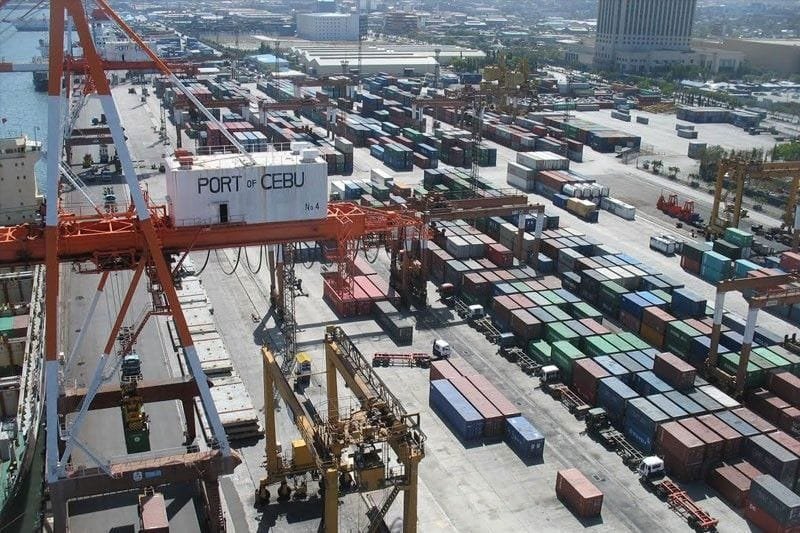
Industrial land connected to Cebu Port occupies one of the most operationally sensitive real estate corridors in Metro Cebu. For logistics operators, manufacturers, container freight stations, and distribution companies, distance from the port directly affects trucking time, container turnaround, labor scheduling, and overall operating costs.
In Metro Cebu, most true port-linked industrial land sits within the Mandaue–North Reclamation corridor surrounding Cebu Baseport. Over the past two decades, this area has gradually transitioned from light industrial estates into a dense logistics cluster serving importers, exporters, freight forwarders, and domestic distribution networks.
As container volumes continue to grow and the New Cebu International Container Port (NCICP) in Tayud begins to reshape regional cargo flows, the geography of logistics-oriented land across northern Metro Cebu is slowly evolving. Understanding where port-linked industrial land still functions efficiently—and where constraints are beginning to emerge—is critical for investors, operators, and developers evaluating industrial property in Cebu.
KEY QUESTIONS BUYERS EVALUATE BEFORE ACQUIRING INDUSTRIAL LAND NEAR CEBU PORT
Industrial buyers evaluating land near Cebu Port typically begin with several practical questions that determine whether a site will function effectively for logistics or distribution operations.
These questions often include:
- Is Cebu Port industrial land a long-term strategic asset?
- Does proximity to Cebu Port actually reduce operating costs?
- Could a specific site function as a logistics hub near the port?
- Is port-area land suitable for truck yard operations?
These questions reflect operational realities rather than simple proximity. A parcel located slightly farther from the port may function better for logistics if it offers superior truck access, larger maneuvering space, or better highway connectivity.
PORT-LINKED INDUSTRIAL CORRIDORS IN METRO CEBU
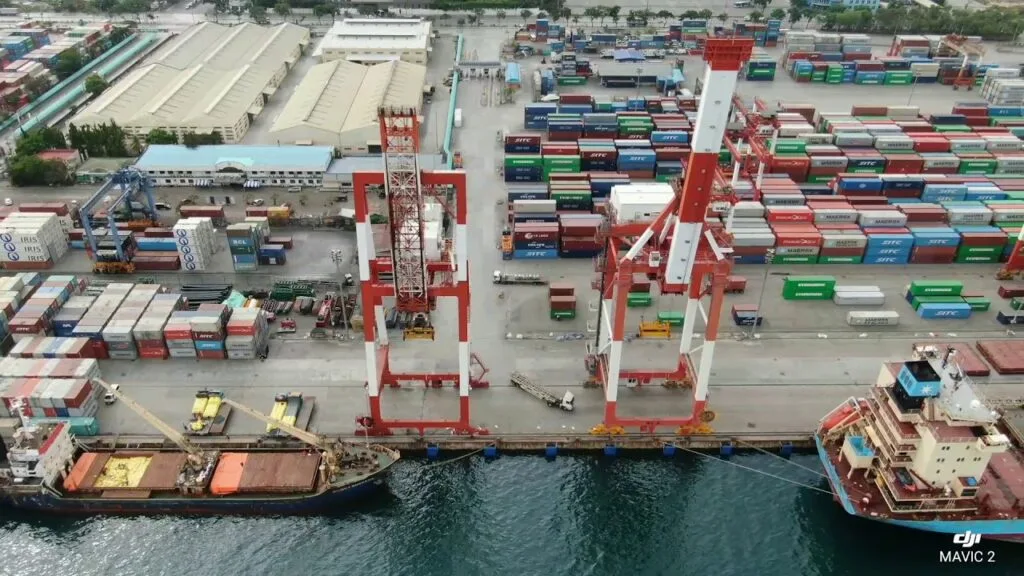
Industrial land connected to Cebu Port generally falls within three primary logistics corridors.
These corridors reflect how freight actually moves through Metro Cebu rather than simple geographic distance from the port.
1. Baseport Corridor (Mandaue / North Reclamation Area)
The Baseport corridor surrounding Cebu Port and the North Reclamation Area forms the most established logistics zone in Metro Cebu.
This corridor includes:
- Subangdaku
- NRA (North Reclamation Area)
- Tipolo
- Umapad
- Paknaan
Industrial properties in this corridor are typically used for:
- container freight stations
- customs-bonded warehouses
- freight forwarding operations
- trucking yards
- distribution warehouses
Land availability in this area has become increasingly limited, and most remaining parcels are either smaller industrial lots or redevelopment opportunities.
2. Northern Logistics Corridor (Consolacion – Compostela)
As the New Cebu International Container Port (NCICP) develops in Tayud, the northern corridor of Metro Cebu is gradually becoming more relevant for logistics operations.
This area offers:
- larger parcels
- easier truck maneuverability
- lower land prices compared with Mandaue
However, the corridor remains dependent on infrastructure upgrades and the full operational capacity of the new container port.
For long-term logistics investors, this corridor represents a strategic land banking opportunity.
3. Southern Distribution Corridor (SRP and Coastal Road)
While the South Road Properties area is not directly adjacent to Cebu Port, the coastal highway allows goods to move efficiently toward southern Cebu and the Cebu South Coastal Road logistics network.
Industrial sites here are typically used for:
- regional distribution hubs
- cold storage facilities
- export-oriented manufacturing
This corridor functions more as a distribution zone rather than a port-adjacent logistics hub.
Key Industrial Districts Near Cebu Port
Industrial land connected to Cebu Port is concentrated in several districts across Mandaue City and the North Reclamation Area, including Subangdaku, Tipolo, Umapad, and Paknaan. These districts developed over time around container transport routes and freight forwarding operations serving Cebu Baseport.
For a closer look at how these micro-locations function operationally, see our guide to industrial land near Cebu Port and the key logistics districts where these sites are located.
Warehouse and Logistics Facility Locations
Warehouse facilities serving Cebu Port typically cluster in districts where container trucks can move efficiently between the port and regional distribution routes. These sites must accommodate truck maneuverability, container staging areas, and efficient road access.
A detailed overview of logistics-oriented warehouse locations can be found in our analysis of warehouse sites near Cebu Port and the districts commonly used for distribution facilities.
LOGISTICS COST DRIVERS NEAR CEBU PORT
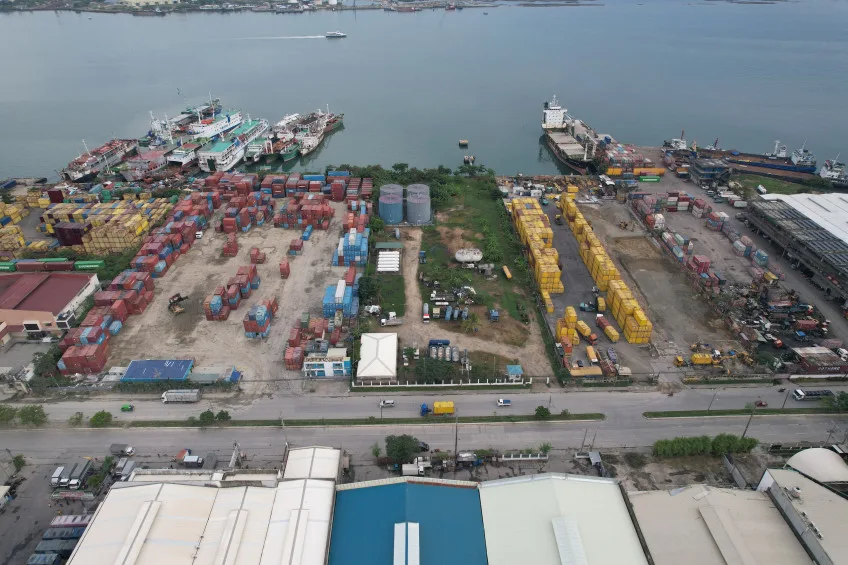
Many industrial buyers assume that proximity to the port automatically lowers operating costs. In practice, logistics efficiency depends on several factors beyond distance.
Key operational drivers include:
Truck access and road width
Industrial properties must allow trucks to enter, turn, and exit efficiently.
Container turnaround time
Sites located in highly congested districts may experience delays that offset proximity advantages.
Highway connectivity
Access to major arterial roads and express routes often influences logistics efficiency more than distance alone.
Zoning and land use compatibility
Some areas near Cebu Port have gradually transitioned toward mixed commercial use, which may limit heavy industrial operations.
These factors often determine whether a parcel truly functions as port-linked logistics land.
COMMON OPERATIONAL USES FOR PORT-LINKED INDUSTRIAL LAND
Industrial properties within Cebu’s port corridor are typically acquired for several operational uses.
These include:
Logistics distribution hubs
Facilities that consolidate cargo for distribution across Cebu and the Visayas.
Container freight stations
Sites used for container handling, storage, and customs processing.
Truck yards and staging areas
Properties used by logistics operators to stage trucks before entering the port area.
Cold chain storage facilities
Temperature-controlled warehouses supporting food importers and exporters.
Light manufacturing and assembly operations
Facilities requiring proximity to import and export shipping routes.
Because these uses rely heavily on container transport, proximity to Cebu Port remains an important operational advantage.
SCARCITY AND VALUATION OF PORT-LINKED INDUSTRIAL LAND
Industrial land near Cebu Port is increasingly constrained by both geography and urban development.
Over time, several trends have reduced available inventory:
- Conversion of older industrial sites into commercial developments
- Limited availability of large contiguous parcels
- Infrastructure constraints within dense urban districts
As a result, most remaining opportunities involve either redevelopment sites or smaller industrial lots.
This scarcity has gradually strengthened the strategic value of port-linked industrial land for logistics operators that depend on container access.
CONSTRAINTS AND RISKS
While port-adjacent industrial land offers significant operational advantages, buyers should also evaluate several potential constraints.
These may include:
Traffic congestion near port gates
Peak container movements can significantly increase trucking times.
Flood exposure in some reclaimed areas
Certain districts within the North Reclamation Area may experience flooding during heavy rainfall.
Limited large parcels
Many available lots are relatively small compared with modern logistics facility requirements.
Urban encroachment
Some historically industrial districts have gradually transitioned toward mixed-use commercial activity.
These constraints should be evaluated carefully during site selection.
Frequently Asked Questions About Industrial Land Near Cebu Port
Is industrial land near Cebu Port expensive compared to other parts of Metro Cebu?
Industrial land within the Cebu Port corridor typically trades at a premium compared with inland industrial districts. The pricing difference reflects the operational advantage of container access, reduced trucking distance, and proximity to freight forwarding and logistics infrastructure. However, the actual value of a parcel depends heavily on truck access, road width, and maneuvering space rather than distance from the port alone.
For a broader explanation of how pricing and scarcity affect these sites, see our analysis of whether Cebu Port industrial land is a long-term strategic asset.
Does proximity to Cebu Port always reduce logistics costs?
Not necessarily. While shorter trucking distances can reduce fuel costs and travel time, congestion near port gates and limited truck maneuvering space in dense districts may offset those advantages. In many cases, sites slightly farther from the port but with better highway access can operate more efficiently than parcels located directly within the port district.
A more detailed breakdown of these logistics factors can be found in our analysis of whether proximity to Cebu Port actually reduces operating costs.
What types of businesses typically buy industrial land near Cebu Port?
Buyers of port-linked industrial land in Cebu usually include logistics companies, freight forwarders, container storage operators, cold chain facilities, and distribution companies serving the Visayas region. Some manufacturing firms that depend heavily on imported raw materials also prioritize sites near the port.
These types of operators often evaluate whether a specific parcel can support logistics operations efficiently. A practical example is discussed in our analysis of whether a site can function as a logistics hub near Cebu Port.
Are large industrial parcels still available near Cebu Port?
Large contiguous industrial parcels within the Cebu Port corridor have become increasingly rare. Most remaining opportunities involve smaller industrial lots or redevelopment sites where older facilities can be replaced with modern logistics buildings. Larger industrial parcels are more commonly found further north toward Consolacion and Compostela.
Current listings within the port corridor can be reviewed in our page on industrial lots for sale in Cebu City.
Will the new Cebu International Container Port affect industrial land demand near Cebu Port?
The new container port in Tayud may gradually shift some logistics activity northward over time. However, Cebu Baseport will likely remain a critical logistics hub due to its established infrastructure, proximity to Metro Cebu’s commercial districts, and the concentration of freight forwarding operations already located nearby.
This broader infrastructure shift is also discussed in our overview of port-linked industrial land in Cebu.
Is port-area land suitable for truck yards and container storage?
Port-area land can function well for truck yards and container storage if the site allows sufficient maneuvering space and direct truck access to major roads. Many smaller industrial parcels near the port struggle with turning radius limitations, which can make them less suitable for heavy trucking operations.
We explore this operational question in more detail in our analysis of whether port-area land is suitable for truck yards in Cebu.
For a broader overview of logistics-oriented industrial land in Metro Cebu, see our main analysis of port-linked industrial land in Cebu.
CURRENT PORT-LINKED INDUSTRIAL OPPORTUNITIES
Although much of the industrial land surrounding Cebu Port has already been developed, a limited number of titled parcels remain available within the corridor.
These sites may be suitable for logistics facilities, trucking yards, container storage operations, or redevelopment into modern warehouse properties.
Available listings within the Cebu Port corridor can be reviewed here:
- Industrial Lots for Sale in Cebu City
- Cebu City Port Area Commercial Properties
RELATED ANALYSIS
Additional analysis on Cebu’s port-linked industrial market can be found in the following pages:
- Is Cebu Port Industrial Land a Long-Term Strategic Asset?
- Does Proximity to Cebu Port Actually Reduce Operating Costs?
- Could This Site Function as a Logistics Hub Near Cebu Port?
- Is Port Area Land a Smart Location for a Truck Yard in Cebu?
These pages examine specific operational and investment questions relevant to logistics-oriented industrial property in Metro Cebu.
If port logistics materially affects your operating margin, we can map corridor selection to your container volume and cost structure.
