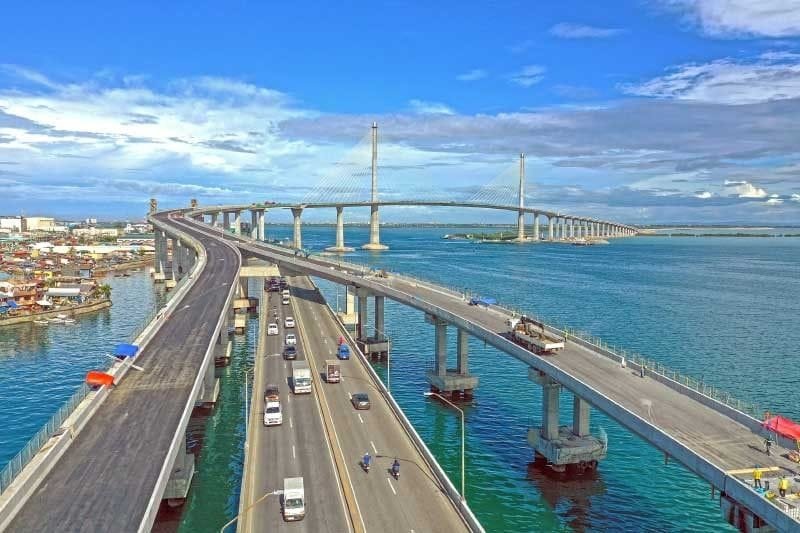
Mactan Island functions as an airport-driven and tourism-influenced commercial submarket within Metro Cebu. Commercial land values in Mactan are shaped less by CBD office demand or industrial logistics, and more by proximity to Mactan-Cebu International Airport (MCIA), resort corridor economics, and estate-controlled mixed-use environments.
Not all commercial land in Mactan is suitable for hospitality or destination-oriented development. Corridor positioning, density allowances, estate controls, and tourism exposure determine viability.
This page outlines how Mactan commercial land functions — and when it makes strategic sense.
1. Why Mactan Is a Distinct Commercial Submarket
Mactan differs structurally from:
- Cebu City CBD (office-dominant)
- South Road Properties (reclamation-led mixed-use)
- Mandaue industrial corridors (logistics-driven)
Mactan’s commercial profile is shaped by:
- MCIA proximity
- Resort concentration along Punta Engaño Road
- Tourism and business travel overlap
- Limited coastal land supply
- Master-planned estate environments
Commercial viability here is influenced by hospitality demand and controlled development standards rather than industrial adjacency.
While Mactan functions as a hospitality-influenced submarket, it operates within the broader framework of commercial land in Cebu, where district positioning, infrastructure access, and zoning discipline ultimately determine long-term viability. Understanding how Mactan compares to other commercial corridors in Metro Cebu helps clarify when airport-driven mixed-use land makes sense — and when alternative districts may be more appropriate.
2. Primary Demand Drivers in Mactan
2.1 Airport Accessibility (MCIA)
MCIA is the strongest structural driver of commercial demand in Mactan.
Implications include:
- Transit-oriented hotels benefiting from short drive times.
- Short-stay and boutique hospitality capturing both domestic and international arrivals.
- Airport-linked F&B and service retail demand.
- Institutional and medical tourism potential tied to accessibility.
However, airport proximity may also introduce:
- Height restrictions in certain zones.
- Noise considerations.
- Traffic concentration around terminal access corridors.
Proximity alone does not guarantee viability — circulation design and zoning alignment remain critical.
2.2 Resort Corridor Economics (Punta Engaño Spine)
The Punta Engaño corridor concentrates:
- High-end resorts
- Boutique hospitality
- Destination dining
- Estate-controlled mixed-use developments
Commercial land in this corridor behaves differently from interior barangay strips.
Viability drivers include:
- Road frontage visibility
- Brand adjacency
- Estate design guidelines
- Experience-oriented tenant mix
- Coastal orientation (where applicable)
This is not informal strip retail territory. It is environment-sensitive commercial positioning.
2.21 Seagrove (Ayala Land) – Punta Engaño Commercial Lots
Seagrove is a 13.5-hectare Ayala Land masterplanned estate located along Punta Engaño Road in Lapu-Lapu City, within Mactan’s established resort corridor. Unlike standalone commercial parcels in Mactan, Seagrove operates within a controlled estate framework with defined mixed-use parameters and vertical development capacity.
Phase 3 commercial lots range from approximately 1,295 to 1,969 square meters and are offered at ₱150,000 per square meter (VAT exclusive). The estate carries a Floor Area Ratio (FAR) of 5, allowing mid-rise development subject to design and estate guidelines.
This positions Seagrove differently from typical roadside commercial land in Mactan. The value proposition is not frontage alone, but controlled estate integration, boardwalk adjacency, and coordinated long-term planning under Ayala Land.
Key Development Parameters
- Location: Punta Engaño, Lapu-Lapu City
- Developer: Ayala Land (with Taft Properties JV)
- Zoning: Commercial Mixed-Use
- FAR: 5
- Lot Sizes: 1,295 – 1,969 sqm
- Price: ₱150,000/sqm (VAT exclusive)
With FAR 5, a 1,500 sqm lot theoretically supports up to 7,500 sqm of gross floor area. This enables structured mid-rise retail, hospitality, institutional, or mixed-format development.
However, the capital threshold is materially higher than standard Mactan commercial lots. At ₱150,000 per sqm, land acquisition alone for a mid-sized parcel can exceed ₱200M before construction costs.
Seagrove is therefore most aligned with:
- Boutique hotel operators
- Multi-storey retail concepts
- Institutional or specialty commercial users
- Developers with structured capital stacks
It is not aligned with small-format strip retail or low-rise single-tenant models.
For a detailed breakdown of Phase 3 pricing, build potential, and capital considerations, see:
2.3 Limited Coastal Development Supply
Large contiguous commercial parcels in Mactan are limited and often:
- Estate-controlled
- Joint-venture developed
- Subject to architectural and use restrictions
This creates:
- Pricing premiums
- Higher capital entry thresholds
- Stronger tenant quality control
- Long-term brand positioning requirements
Limited supply supports long-term value retention but increases development discipline requirements.
3. Viable Commercial Use Cases in Mactan
Commercial land in Mactan is typically suited for:
Boutique Hotels & Condotels
- Transit-oriented hospitality
- Tourism-exposed coastal lodging
- Mid-rise density projects (where FAR permits)
Destination F&B & Experiential Retail
- Brand-driven dining concepts
- Leisure-linked retail environments
- Experience-focused commercial formats
Mixed-Use Mid-Rise Development
- Residential-over-retail podiums
- Hotel + commercial combinations
- FAR-leveraged density in estate environments
Wellness, Medical Tourism & Institutional Use
- Specialty clinics and wellness centers
- Education or training facilities linked to airport access
- Health-oriented mixed-use developments
4. Corridor Segmentation Within Mactan
Mactan is not homogeneous. Micro-location determines feasibility.
4.1 Punta Engaño Corridor
Characteristics:
- Hospitality-dominant
- Premium pricing
- Controlled estate developments
- Coastal orientation
Best suited for:
- Resort-linked retail
- Boutique hospitality
- Destination-oriented mixed-use
Generally not suited for:
- Heavy logistics
- Warehousing
- Budget strip retail concepts
For developers evaluating multiple districts, a structured Cebu commercial development overview provides useful comparative context between Mactan’s hospitality-driven land profile and other commercial environments such as CBD office zones, reclamation districts, and port-linked corridors. District-level comparison often clarifies capital allocation strategy before site-level due diligence begins.
4.2 Airport-Adjacent Commercial Zones
Characteristics:
- High traffic flow
- Transit-linked demand
- Institutional and medical potential
- Residential-commercial spillover
Best suited for:
- Transit hotels
- Airport-serving F&B
- Business-linked commercial uses
Constraints may include:
- Aviation height restrictions
- Congestion management
- Access design requirements
4.3 Interior Barangay Commercial Areas
Characteristics:
- Local-serving retail
- Lower land pricing
- Organic development patterns
- Less estate control
Best suited for:
- Community retail
- Service-oriented businesses
- Mid-scale mixed-use
Less suitable for:
- Premium hospitality positioning
- Brand-sensitive destination development
Commercial Land Opportunity in Marigondon
For developers evaluating larger landholdings along established road corridors in Lapu-Lapu City, consider this commercial development land for sale in Marigondon. The property is offered with a stated area of 30,361 sqm and approximately 70 meters of frontage along M.L. Quezon National Highway. The seller’s asking price is ₱50,000 per sqm, net of taxes. Potential development uses are subject to zoning verification and regulatory approvals.
Commercial Development Land for Sale in Buaya
For developers evaluating larger landholdings in Mactan, MetroCebu.net features a 9,737 sqm commercial development property for sale in Buaya, Mactan. The seller’s stated asking price is ₱40,000 per sqm, net of taxes, with approximately 93.56 meters of frontage. Potential development uses are subject to zoning verification and regulatory approvals.
Commercial Lot Near Opon Public Market, Lapu-Lapu City
For buyers looking for a specific commercial development site, MetroCebu.net features a 1,102 sqm commercial lot for sale near Opon Public Market in Lapu-Lapu City. The property comprises two titled lots, with approximately 21.30 meters of frontage and an asking price of ₱90,000 per square meter, net of taxes and negotiable, according to the seller. Buyers should verify zoning, permitted uses, and property documents before proceeding.
5. Zoning, Density & Estate Controls
Commercial land evaluation in Mactan must consider:
- Zoning classification (commercial vs mixed-use)
- Floor Area Ratio (FAR) allowances
- Height restrictions (airport proximity influence)
- Parking and circulation requirements
- Estate-level architectural controls
- Environmental considerations in coastal zones
Master-planned estates may impose:
- Design guidelines
- Tenant mix restrictions
- Setback requirements
- Use limitations beyond baseline zoning
Feasibility depends on both LGU zoning and estate covenants.
6. Risks & Tradeoffs
Commercial development in Mactan carries structural risks:
- Seasonal tourism fluctuations
- Dependence on travel cycles
- Airport-related regulatory constraints
- Traffic congestion during peak resort periods
- Premium land pricing requiring disciplined underwriting
Projects reliant solely on speculative appreciation without operational logic may underperform.
7. When Mactan Commercial Development Does Not Make Sense
Mactan is generally not suitable for:
- Heavy logistics or industrial warehousing
- Manufacturing operations
- Truck-dependent high-volume distribution
- Low-capital strip retail concepts targeting purely local foot traffic
Industrial operators are typically better served by port-linked or logistics corridors in Mandaue and adjacent industrial zones.
8. Active & Emerging Commercial Estates in Mactan
Several master-planned estates are shaping Mactan’s commercial profile, particularly along the Punta Engaño corridor and airport-adjacent zones.
These environments typically offer:
- Structured mixed-use planning
- Higher density allowances
- Controlled architectural standards
- Hospitality-oriented positioning
Estate-specific commercial land opportunities may include hospitality-focused lots, mixed-use parcels, and coastal development sites.
9. For Developers Evaluating Mactan Commercial Land
Commercial land viability in Mactan is determined by:
- Corridor positioning
- Airport access time
- Permitted density
- Estate controls
- Tourism exposure
- Capital intensity
Map proximity alone does not determine feasibility.
Operators evaluating sites in Mactan should assess:
- Alignment between intended use and corridor profile
- Development control layers
- Long-term tourism sustainability
- Competitive estate positioning
Structured zoning and corridor-level briefings are advisable prior to acquisition decisions.
Developer & Operator Briefing
If you are evaluating commercial or hospitality-focused land in Mactan, request a structured corridor and zoning briefing prior to site visits.
Briefings are suitable for:
- Boutique hotel developers
- Mixed-use operators
- Hospitality-linked commercial brands
- Institutional or estate-level investors
Industrial or logistics users may be better served by port-linked corridors in Mandaue.
To proceed, provide:
- Intended project type
- Target buildable floor area
- Development timeline
- Capital range
Serious inquiries will receive site-specific context and estate-level guidance.
Analysis prepared by a Cebu-based commercial broker specializing in industrial and CBD land strategy, with focused coverage on airport- and tourism-influenced commercial submarkets within Metro Cebu.