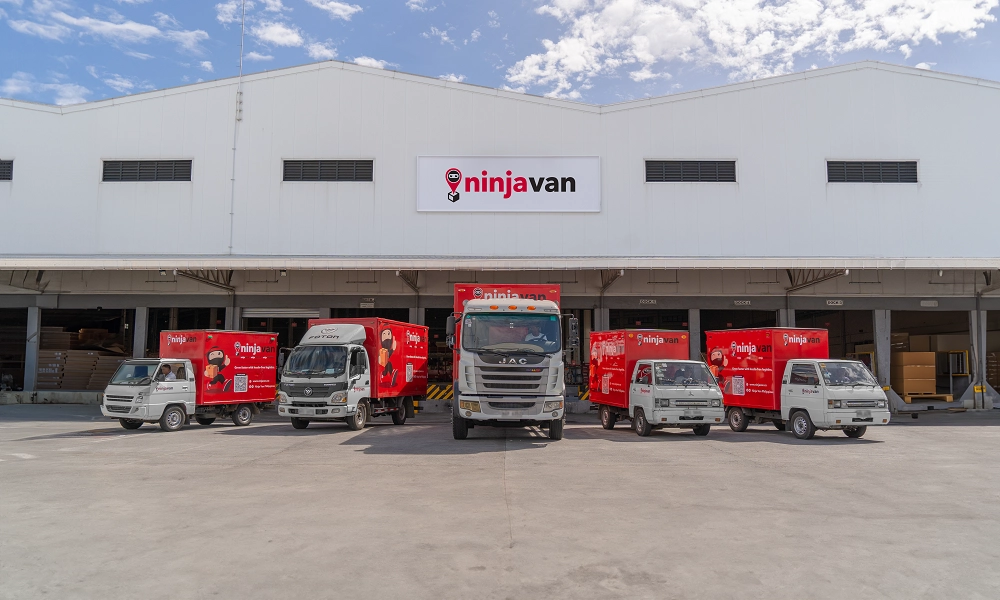
If your business moves containers every day, being a few minutes from Cebu Port changes how you operate.
It affects:
- How fast trucks return
- How smoothly containers are transferred
- How predictable dispatch becomes
- How much time is lost in traffic
- The question is not just whether the land can hold a building.
The real question is whether the site can function as a logistics hub — a base that supports daily container movement efficiently.
Let’s look at it practically.
What Makes a Site Suitable for a Logistics Hub?
A logistics hub near Cebu Port must support movement first.
Buildings come second.
Here’s what actually matters.
These factors are part of the broader dynamics affecting port-linked industrial land in Cebu.
1. Enough Open Space for Truck Flow
Trucks need room to:
- Enter and exit safely
- Turn without tight maneuvering
- Line up during peak activity
- Stage before port entry
If truck flow is restricted, proximity alone will not improve operations.
A logistics hub is about movement, not just storage.
2. Clear Access In and Out
Entry and exit points should be simple and direct.
You want:
- Straightforward access from the main road
- No complicated driveway angles
- Minimal interaction with unrelated traffic
The fewer access obstacles, the smoother dispatch becomes.
3. Space for Container Handling
A functioning logistics hub needs room for:
- Temporary container staging
- Equipment positioning
- Loading and unloading activity
- Trailer parking
Even before warehouse construction, the land must handle operational activity.
4. Security and Controlled Perimeter
Port-related logistics often involve high-value cargo.
The site should allow:
- Proper fencing
- Controlled entry points
- Secure perimeter management
Security is part of operational stability.
What Makes This Location Operationally Strong
This site benefits from practical advantages tied directly to Cebu Port access.
1. Very Close to the Port Gate
Being within a few minutes of the Cebu Port gate reduces:
- Travel time per trip
- Fuel exposure
- Idle time between dispatches
- Traffic unpredictability
For daily container movement, short distance improves rhythm.
2. Positioned Within an Active Logistics Corridor
Proximity to container yards and related services supports:
- Coordination
- Equipment access
- Operational continuity
You are operating within an established logistics environment, not an isolated area.
3. Connected to Main Highway Routes
Access to major roads improves:
- Distribution beyond the port
- Movement toward Mandaue and other industrial corridors
- Route flexibility during peak congestion
Port access must still connect well to the broader road network.
4. Flexible Zoning
If the site allows industrial use with compatible development, it provides flexibility for:
- Yard operations
- Future warehouse construction
- Small office or dispatch building
The primary value is as a logistics base.
Warehouse development becomes a secondary layer if needed.
What to Consider Before Deciding
No site is perfect.
There are tradeoffs.
1. Port Traffic Can Be Heavy
Peak container release periods may create congestion near Cebu Port.
Operational scheduling must account for this.
2. Layout Planning Is Critical
Even strong locations fail operationally if:
- Truck maneuvering is restricted
- Yard space is undersized
- Dispatch flow is poorly designed
Location supports operations — but design determines efficiency.
3. Land Pricing Reflects Access
Port-area land in Cebu carries a premium because of proximity and limited supply.
The key question is whether your container volume justifies that premium.
If daily movement is consistent and long-term, proximity may improve both operational control and asset positioning.
If activity is occasional or temporary, inland options may provide similar results at lower cost.
Where Warehouse Development Fits In
A warehouse is not the starting point.
The logistics hub is.
If operations require covered storage, distribution staging, or long-term handling space, the site can support warehouse construction — provided layout and space planning are handled correctly.
But the value of the location begins with access and movement.
The building comes after.
So Could This Site Function as a Logistics Hub?
It may be suitable if your operation:
- Moves containers through Cebu Port daily
- Requires predictable turnaround
- Needs centralized fleet control
- Plans to remain active in Cebu long-term
If your presence in Cebu is stable and container flow is consistent, proximity strengthens operational control.
If volume is low or temporary, inland industrial land may achieve similar results with lower capital exposure.
The site should match the intensity and permanence of your logistics footprint.
Final Thought
A logistics hub near Cebu Port is not defined by the building.
It is defined by movement.
If port access is central to your daily operations, proximity can strengthen efficiency and control.
If it is not, location alone will not create value.
Operational reality should drive the decision.
Port-linked sites like this are typically acquired by businesses with consistent container volume and regional distribution responsibilities. See our breakdown of who typically buys port-linked industrial land in Cebu for a clearer profile.
Current Port-Linked Site Suitable for Logistics Use
There are titled industrial parcels within short driving distance of Cebu Port that may support logistics hub operations, subject to planning and zoning review.
Suitability depends on site layout, truck flow design, and operational scale.