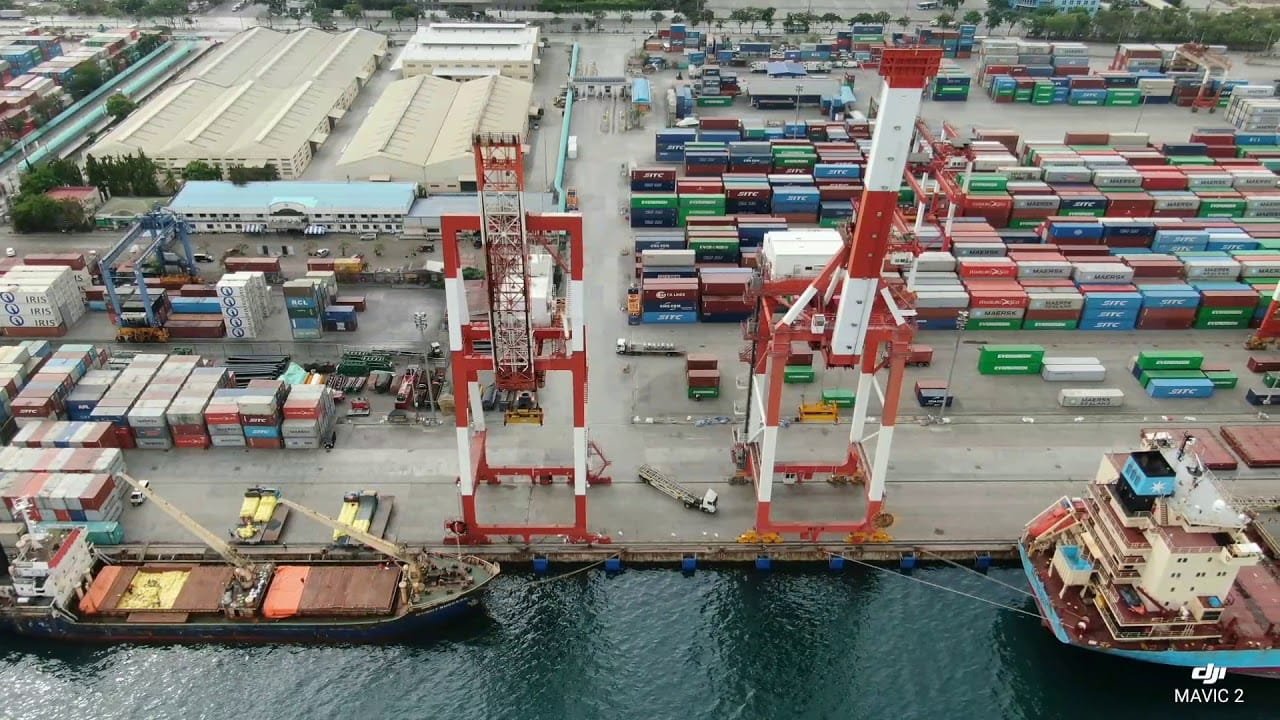
Not every warehouse needs to sit beside Cebu Port.
But if your business moves containers in and out almost every day, distance becomes more than a convenience issue. It becomes a cost variable.
Lots near Cebu Port, especially in the North Reclamation Area and surrounding industrial corridors, carries a premium. The question is not whether it costs more upfront.
The real question is:
Does being closer to Cebu Port reduce what you spend every single day on operations?
For logistics hub operators and companies with regular container movement, the answer often depends on how frequently trucks move in and out of the port gate.
Let’s look at this from a practical, ground-level perspective.
Why This Question Matters for Logistics Operators in Cebu
Cebu Port remains one of the primary entry points for containerized cargo in the region. For freight forwarders, distributors, and import/export companies, truck movement between the port and the yard is routine.
If your trucks are entering and exiting the port daily, the distance between your yard and the port gate directly affects:
- Travel time
- Fuel consumption
- Driver hours
- Dispatch coordination
- Turnaround speed
These are not theoretical concerns. They are recurring operational expenses.
If you only pull containers occasionally, proximity may not justify the higher land price. But if your fleet depends on frequent port access, distance compounds.
These factors are part of the broader dynamics affecting port-linked industrial land in Cebu.
What Distance Actually Costs a Logistics Hub
Let’s break this down in simple terms.
Imagine one truck makes four trips per day between your yard and Cebu Port.
If your yard is located inland and each trip adds 15–20 extra minutes compared to being near the port gate, that’s roughly:
- 60–80 extra minutes per truck per day
- Multiply that by 10 trucks
- Multiply that by 250 working days per year
That is thousands of additional truck-hours annually.
Even without assigning a peso value, the impact becomes clear.
Extra minutes mean:
- More fuel burned
- More engine wear
- More paid driver hours
- More exposure to traffic congestion
Distance does not just add kilometers. It adds friction.
How Proximity Reduces Daily Operational Friction
For businesses operating a logistics hub, proximity to Cebu Port improves more than speed. It improves control.
1. Less Time Exposed to Traffic
Trucks traveling inland toward Mandaue or other parts of Cebu City often pass through congestion points, especially during peak container release hours.
A yard located 200–300 meters from the Cebu Port gate reduces:
- Road exposure
- Congestion delays
- Unpredictable bottlenecks
Fewer variables mean smoother operations.
2. Lower Fuel and Vehicle Wear
Shorter travel distances mean:
- Reduced fuel consumption per trip
- Fewer engine hours
- Less brake and tire wear
For companies moving containers daily, these are recurring savings.
3. Faster Turnaround per Truck
Turnaround speed directly affects capacity.
If trucks return to base faster:
- They can reload sooner
- Dispatch scheduling becomes tighter
- The fleet operates more efficiently
For logistics operators, time is throughput. Throughput is revenue.
4. Better Dispatch and Operational Control
Proximity allows better coordination.
If a container is cleared unexpectedly or released early, a nearby yard can respond quickly.
You reduce dependency on traffic forecasts and gain flexibility in scheduling.
This level of control matters for companies running structured logistics operations in Cebu.
When Inland Industrial Land Makes More Sense
Port-area industrial land is not automatically the best decision.
It may not be necessary if:
- Your container movement is infrequent
- You operate mostly outside Cebu City
- Your business focuses on long-term storage
- You simply need space for parking or equipment storage
Inland industrial land can be more capital-efficient if proximity does not translate into measurable operational benefit.
Paying a premium without daily use rarely makes sense.
Not every business benefits equally from port proximity. Certain operational profiles consistently prioritize access to Cebu Port. You can review those profiles in our overview of port-linked industrial land buyers in Cebu.
Why Port-Area Industrial Land in Cebu Carries a Premium
Industrial land near Cebu Port is limited.
The North Reclamation corridor and immediate port-adjacent areas have finite titled inventory.
Demand typically comes from:
- Freight forwarders
- Container yard operators
- Import/export distributors
- Companies needing truck and equipment bases
Because supply is constrained and operational access is critical, pricing reflects that scarcity.
To understand how industrial and commercial parcels are currently positioned within the port corridor, you may review our overview of Cebu City port-area commercial and industrial properties.
The premium exists because proximity solves real operational problems.
For a broader explanation of how port-linked industrial land in Cebu functions within logistics operations, see our overview of port-linked industrial land in Cebu.
A Port-Linked Industrial Site Within 200–300 Meters of Cebu Port
There is currently a titled industrial parcel available within walking distance of the Cebu Port gate.
For companies operating a logistics hub or running daily container movements, that distance materially affects daily operations.
For companies without regular port dependency, it may not justify the acquisition cost.
The decision depends on how your logistics flow actually works.
This Location Is Not Ideal For
To be clear, this type of site is not suitable for:
- Passive land banking without operational use
- Low-frequency container pull operations
- Businesses operating primarily inland
- Pure storage use without daily truck movement
Port adjacency should match operational intensity.
Frequently Asked Questions
Does land near Cebu Port cost more than inland industrial land?
Yes. Port-area land typically carries a premium due to limited supply and direct operational access.
Is port proximity always necessary for a logistics business?
No. It depends entirely on how frequently your trucks move containers in and out of Cebu Port.
How close is considered port-linked industrial land in Cebu?
Generally, sites within a few minutes’ drive — or within walking distance of the port gate — are considered directly port-linked.
Is this type of land suitable for a small logistics hub?
It can be, provided there is sufficient space for truck maneuvering, loading and unloading, and secured yard operations.
Final Consideration
Proximity to Cebu Port does not automatically reduce costs.
But for businesses whose operations depend on daily container movement, distance compounds into time, fuel, and operational friction.
The value of being 200–300 meters from the port gate is not cosmetic. It is logistical.
If you are evaluating whether port adjacency creates measurable savings for your operation, reviewing the site brief may help you assess the tradeoffs clearly.
Current Port-Linked Industrial Sites
For operators evaluating whether proximity to Cebu Port creates measurable operational savings, the following titled parcels are currently available within the port corridor:
• Industrial / Commercial Lot – Near Port Area
Suitable for yard operations with office flexibility.
• Industrial Lot – Near Cebu Port
Configured for industrial use with direct port-area access.