A Canonical Market Guide for Commercial and Development Buyers
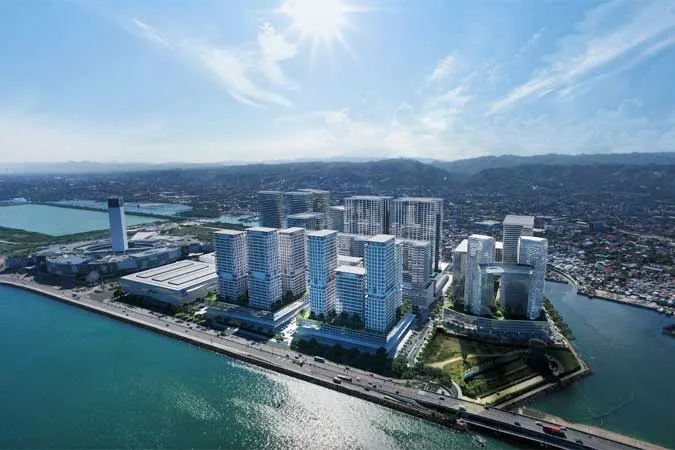
South Road Properties—commonly abbreviated as SRP—is a large-scale reclaimed land corridor in Cebu City developed by the Cebu City Government for commercial, institutional, and mixed-use urban expansion.
The name “South Road Properties” refers to the stretch of reclaimed land located along Cebu City’s southern coastline, directly connected to the Cebu South Coastal Road, a major highway linking the city to southern Cebu municipalities and to the Cebu–Cordova Link Expressway.
Unlike most districts in Cebu, SRP did not emerge gradually through private subdivision and incremental growth.
It was deliberately created through land reclamation and long-term urban planning.
The district exists to address a structural limitation: Cebu City’s historic urban core no longer had large contiguous land capable of supporting modern, large-scale commercial development.
Rather than expand inland into already congested neighborhoods, the city reclaimed land along its southern shoreline and created a planned development corridor capable of hosting large-format projects.
South Road Properties was the result.
This page explains how SRP actually works, why it behaves differently from other parts of Cebu real estate, and who the corridor is structurally suited for.
It is written for buyers who need clarity before commitment—not persuasion.
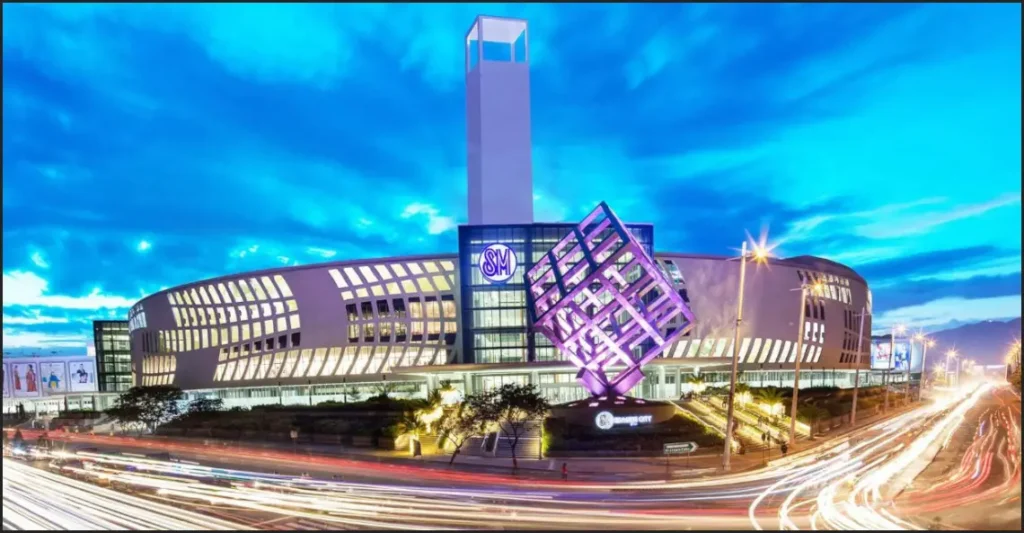
What “SRP” Means in Cebu Real Estate
In Cebu, SRP is shorthand for South Road Properties, a reclaimed coastal district located immediately south of Cebu City’s historic center.
The name originates from the South Coastal Road infrastructure project, which opened access to the reclaimed corridor and established the transportation spine that supports development within the area.
Today, SRP refers collectively to the entire reclaimed development zone, including major projects such as:
- City di Mare
- SM Seaside City Cebu
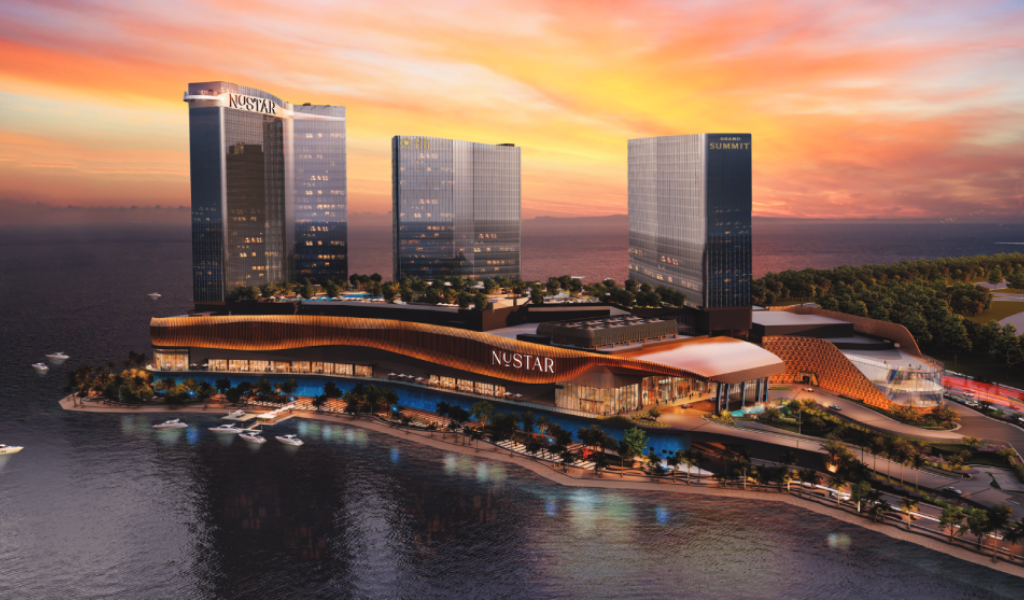
- NUSTAR Resort and Casino
- IL Corso
- future mixed-use and institutional developments planned along the corridor
Unlike traditional neighborhoods, SRP functions more like a planned urban corridor, where infrastructure, zoning frameworks, and large development parcels were established before population density.
Understanding this distinction is essential when evaluating land or commercial opportunities in the area.
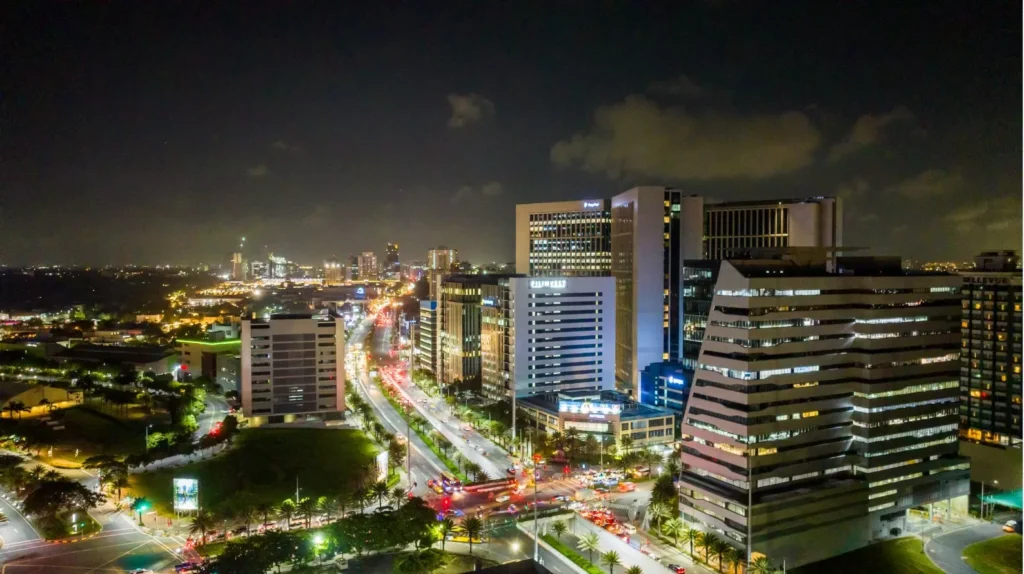
What Makes SRP Fundamentally Different from Other Cebu Locations
Most Cebu real estate follows a familiar pattern:
- Residential density drives demand
- Street life develops organically
- Prices move gradually based on comparables
SRP does not.
Here, value is driven primarily by infrastructure and entitlement logic, not neighborhood maturity. Key determinants include:
- Exposure to the SRP highway and access ramps
- Parcel depth, frontage, and circulation
- Zoning classification and allowable use
- Long-term development controls and restrictions
This is why SRP often feels ahead of itself—priced like a finished district while still visibly developing.
That tension is not accidental. It reflects how SRP was designed to mature.
Why South Road Properties Exists
Cebu City’s historic urban core—Fuente, Capitol, Banilad, and Lahug—developed organically over decades.
Road networks were narrow. Parcels were fragmented. Development occurred incrementally, lot by lot.
By the late 1990s, this model could no longer support several emerging requirements:
- Large contiguous land requirements
- Modern road widths and access control
- Destination-scale commercial uses
- Integrated mixed-use developments
Rather than force expansion into already congested inland districts, Cebu City pursued coastal land reclamation, creating a clean-slate urban corridor designed for modern infrastructure and large-scale development.
South Road Properties was the result.
SRP is therefore not simply an extension of the old city.
It is effectively a parallel urban development system, designed to host uses the historic city could no longer accommodate.
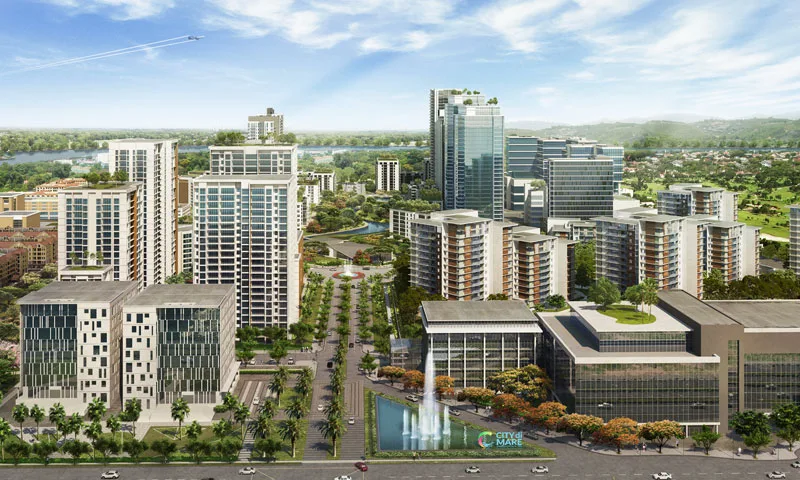
What Makes SRP Fundamentally Different from Other Cebu Locations
Most Cebu real estate follows a familiar pattern:
- Residential density drives demand
- Street life develops organically
- Prices move gradually based on nearby comparables
SRP operates differently.
Here, value is driven primarily by infrastructure logic and entitlement structure, not neighborhood maturity.
Key determinants include:
- Exposure to the SRP highway and access ramps
- Parcel depth, frontage, and circulation
- Zoning classification and allowable use
- Long-term development controls and restrictions
This is why SRP often feels ahead of itself—priced like a finished district while still visibly developing.
That tension is not accidental.
It reflects how the corridor was designed to mature.
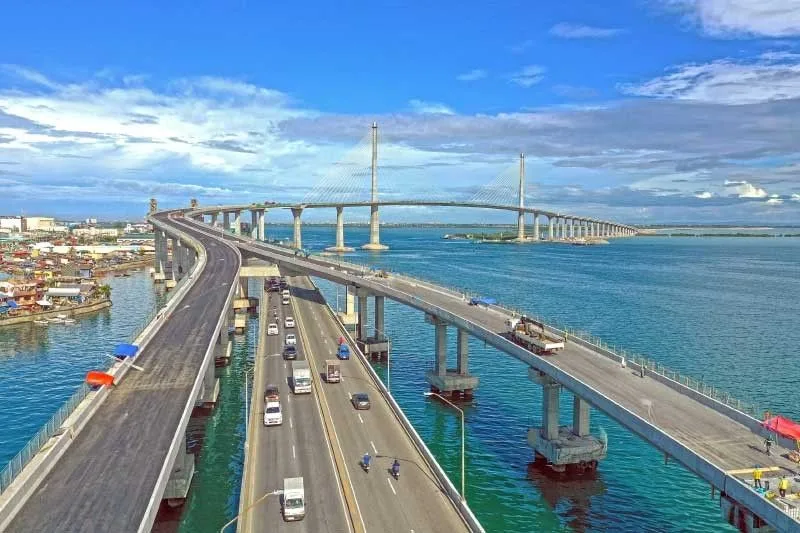
Who South Road Properties Is For
SRP aligns best with buyers who:
- Think in long horizons, not short cycles
- Prioritize entitlement certainty over quick yield
- Require scale, access, and planning clarity
- Are comfortable holding through extended development phases
It is structurally suited for:
- Master-planned townships
- Institutional commercial projects
- Integrated hospitality, gaming, and destination uses
- Long-term mixed-use developments
SRP is not designed for:
- Quick resale strategies
- Yield-only investment plays
- Residential-led speculation
- Buyers comparing it directly to IT Park or Banilad
Most dissatisfaction with SRP comes from buyer mismatch, not asset quality.
Pricing Reality: Why SRP Feels Expensive Before It Feels Busy
A common reaction to SRP is:
“Prices are already high, but the area still feels empty.”
This perception is accurate—and expected.
SRP pricing reflects:
- Reclamation and infrastructure costs already sunk
- Zoning clarity and entitlement confidence
- Scarcity of large, development-grade land in Cebu
- Long-term government commitment to the corridor
What it does not reflect (yet):
- Organic pedestrian density
- Residential spillover convenience
- Incremental street-level vibrancy
SRP prices future certainty, not present activity.
This makes it unsuitable for impatient capital—and protective for long-term holders.
Not Sure SRP Fits Your Use Case?
SRP behaves differently from other commercial land in Cebu. If your objective is short-term yield, smaller parcels, or organic foot traffic, other locations may align better.
The Role of Master-Planned Townships in SRP
To avoid fragmented, uncoordinated development, large portions of SRP are structured as master-planned townships.
These townships introduce:
- Unified design language
- Controlled land use
- Predictable density and phasing
- Long-term value protection through restrictions
Developments such as City di Mare township within South Road Properties fall into this category. They are not standalone projects—they are components of SRP’s broader planning logic.
Understanding SRP at the corridor level is essential before evaluating any single township within it.
What Commonly Goes Wrong in SRP Acquisitions
From a senior-agent perspective, issues in SRP purchases usually stem from:
- Inadequate understanding of restrictions
- Assuming uniform appreciation across the corridor
- Underestimating holding periods
- Treating SRP land like suburban or residential property
SRP does not reward casual participation.
It rewards alignment—with scale, time horizon, and intended use.
Before You Proceed Further
If you are considering South Road Properties seriously, you should already be clear on:
- Intended use
- Capital patience
- Development or operational horizon
If those are still uncertain, this is a good place to pause.
If they are clear, the next step is to evaluate SRP at the township level, where controls, opportunities, and tradeoffs become concrete.
Frequently Asked Questions About South Road Properties (SRP)
What does SRP mean in Cebu?
SRP stands for South Road Properties, a reclaimed coastal development corridor in Cebu City.
The district was created by the Cebu City Government through large-scale land reclamation along the city’s southern shoreline. It was designed to provide large development parcels and modern infrastructure that the historic urban core could no longer accommodate.
Today, SRP functions as Cebu’s primary corridor for large commercial, mixed-use, and institutional projects, including developments such as SM Seaside City Cebu, NUSTAR Resort, IL Corso, and the City di Mare township.
Is South Road Properties reclaimed land?
Yes.
South Road Properties was created through coastal land reclamation, a process where new land is formed by filling sections of the seabed along Cebu City’s southern coastline.
Reclamation allowed Cebu City to create large, contiguous development parcels with modern road networks and planning controls—something that is difficult to achieve in older districts where land is highly fragmented.
For developers, reclaimed land is not unusual. Many major business districts across Asia—including parts of Hong Kong, Singapore, and Manila Bay—were also built through reclamation.
Who owns land in South Road Properties?
Land ownership within SRP is mixed.
Large portions of the corridor were originally owned by the Cebu City Government, which later sold or leased parcels to private developers through structured agreements.
Today, SRP includes land controlled by several major developers and institutions, including:
- SM Prime Holdings
- Filinvest Land (City di Mare)
- Universal Hotels and Resorts (NUSTAR)
- private landholders and commercial investors
Because many parcels are governed by development covenants, zoning frameworks, and master-planned township controls, evaluating ownership structure is an important step before considering any acquisition.
Why is land in SRP considered expensive?
Land values in SRP often appear high relative to surrounding areas because pricing reflects future development capacity rather than current activity.
Several structural factors influence pricing in the corridor:
- reclaimed land and infrastructure costs already invested
- scarcity of large development parcels within Cebu City
- zoning clarity for large-scale commercial uses
- long-term government commitment to the district
In other words, SRP land is typically priced based on development potential, not on existing neighborhood density.
What developments currently exist in SRP?
Several large projects anchor the corridor today, demonstrating the type of development the district was designed to support.
Major developments include:
- SM Seaside City Cebu – one of the largest retail complexes in the Philippines
- NUSTAR Resort and Casino – an integrated hospitality and entertainment development
- IL Corso – a waterfront retail and dining complex
- City di Mare – a master-planned township by Filinvest
These projects illustrate SRP’s role as Cebu City’s primary location for large-scale commercial and mixed-use developments.
Is South Road Properties a good place to invest in property?
SRP can be attractive for buyers who understand the corridor’s long-term development horizon.
The district was planned for projects that require scale and infrastructure access, such as commercial centers, hospitality developments, and mixed-use townships.
However, SRP is generally less suitable for buyers seeking:
- quick resale opportunities
- small residential parcels
- short-term rental yields
Most acquisitions in SRP are made by buyers with long investment horizons and development objectives.
Are there commercial land opportunities in SRP?
Yes.
South Road Properties remains one of the few locations in Cebu City capable of supporting large-format commercial development.
Typical opportunities include:
- mixed-use development sites
- waterfront commercial parcels
- hospitality and entertainment projects
- institutional-scale developments
Because parcel sizes are often larger than in older districts, SRP tends to attract developers, hospitality groups, and institutional investors rather than small retail investors.
How should buyers evaluate property in SRP?
Property in South Road Properties should be evaluated at the corridor and township level before focusing on individual parcels.
Important considerations include:
- zoning and permitted uses
- parcel size and frontage
- access to the SRP highway and major junctions
- development restrictions or covenants
- long-term infrastructure and density plans
Understanding these structural factors is essential before making site-specific decisions within the corridor.
Where is South Road Properties located in Cebu?
South Road Properties is located along the southern coastline of Cebu City, immediately south of the city’s historic downtown.
The corridor runs along the Cebu South Coastal Road and connects directly to the Cebu–Cordova Link Expressway (CCLEX), providing access between Cebu City and Mactan Island.
Its coastal location allows the district to accommodate large development parcels that are difficult to assemble in older parts of the city.
Why was South Road Properties built?
SRP was developed to address Cebu City’s land scarcity for large-scale commercial development.
Older districts such as Fuente, Lahug, and Banilad developed organically over decades, resulting in small fragmented parcels and limited road capacity.
By reclaiming land along the southern coast, Cebu City was able to create a new district designed specifically for modern infrastructure, large developments, and long-term urban expansion.