South Road Properties (SRP) Cebu: A Practical Guide for Property Buyers
South Road Properties, or SRP, is one of Cebu City’s major areas for commercial, mixed-use, and large-scale development.
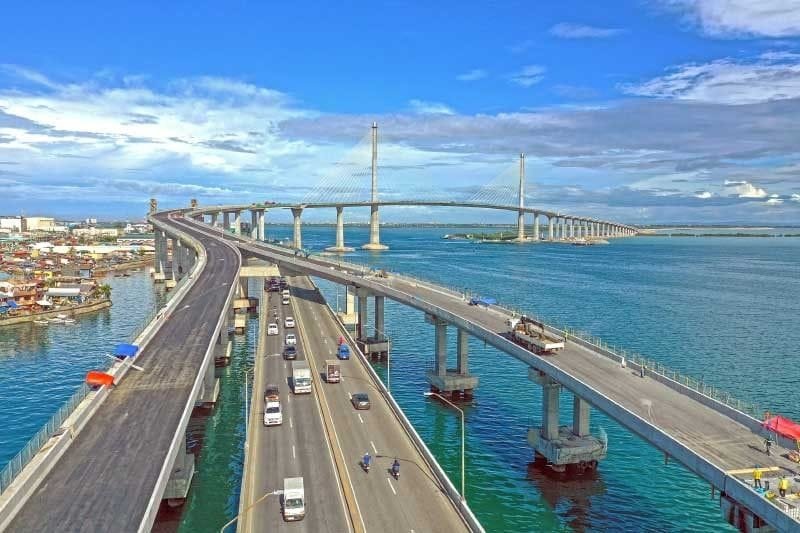
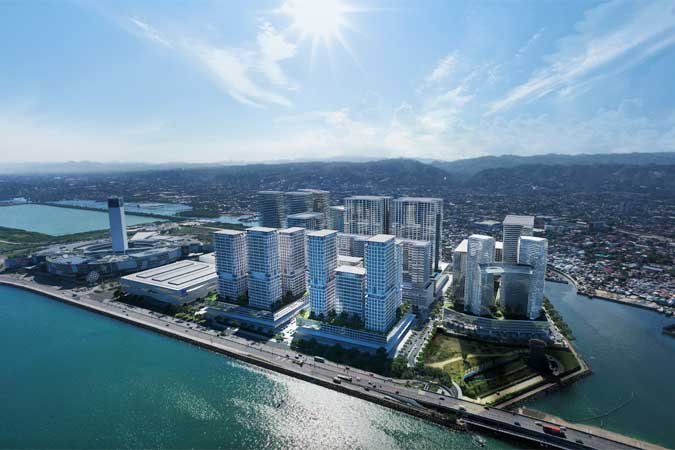
Located along Cebu City’s southern coastline, SRP is a large reclaimed area developed by the Cebu City Government and connected to the Cebu South Coastal Road and the Cebu–Cordova Link Expressway (CCLEX).
What makes SRP different from many other parts of Cebu is that it was planned and developed as a large, continuous area rather than growing gradually from existing neighborhoods.
The city created SRP to provide additional land for major developments as Cebu City became more built-up and available large parcels became harder to find.
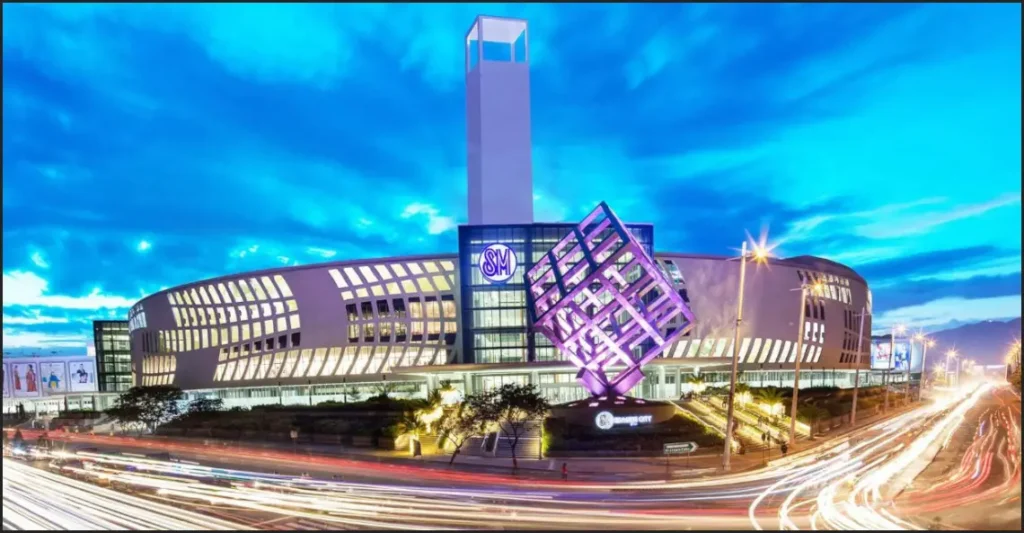
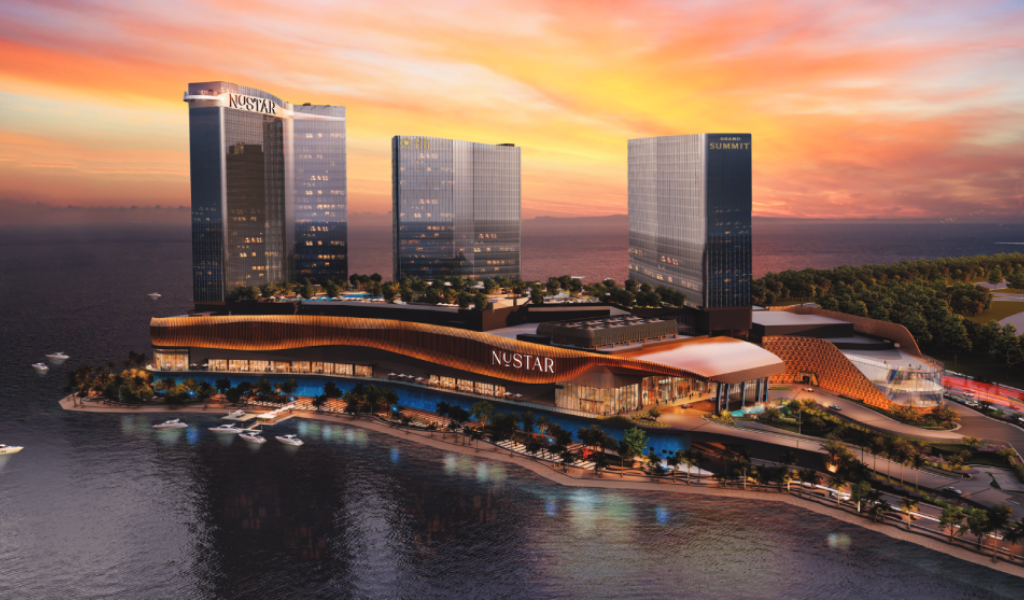
Today, the area is home to major developments such as SM Seaside City Cebu, NUSTAR Resort and Casino, City de Mare, and IL Corso, with more development taking place around the corridor.
For property buyers, however, the important question is not simply whether SRP is developing.
The more useful question is:
Does an SRP property make sense for what you want to do with it?
This guide looks at SRP from a property buyer’s perspective—how the area has developed, what types of properties are found here, what affects their value, and what you should consider before buying.
The goal is simple: understand the property and the area first, then decide whether it fits your plans.
What “SRP” Means in Cebu Real Estate
In Cebu, SRP stands for South Road Properties.
It refers to the large reclaimed area along the southern coast of Cebu City, just south of the city’s older central districts.
Today, SRP is more than just a road or a single property development. It is a large development area made up of different commercial, residential, hospitality, and mixed-use projects.
Some of the best-known developments in SRP include:
- City di Mare
- SM Seaside City Cebu
- NUSTAR Resort and Casino
- IL Corso
- Other planned and developing projects along the corridor
One of the things that makes SRP different from older parts of Cebu is the size and scale of the area.
Instead of being made up mainly of small, individually developed properties, SRP has large parcels of land and major projects planned around its roads and infrastructure.
For property buyers, this matters because an SRP property should not be evaluated based only on the lot itself.
Its location within SRP, access, surrounding developments, and intended use can all affect how the property makes sense as a purchase.
That is why two properties in the same general SRP area can have very different potential uses and buyer profiles.
What Makes SRP Cebu Different from Other Cebu Locations
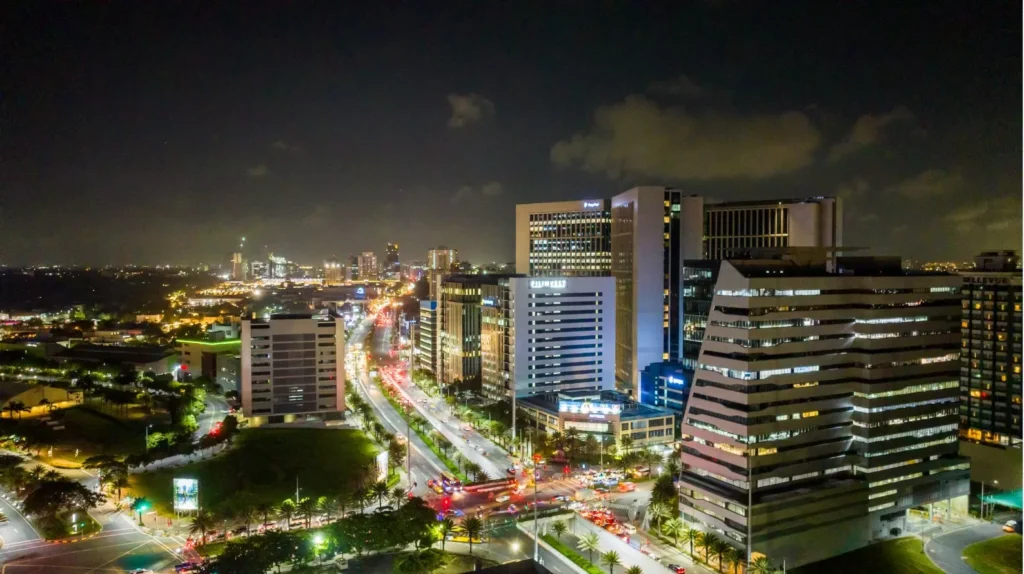
One of the reasons SRP Cebu real estate can be different from other parts of the city is the way the area was planned and developed.
In many established Cebu neighborhoods, property demand grew gradually as more people moved in, businesses opened, roads became busier, and surrounding properties were developed.
South Road Properties Cebu developed differently.
SRP was created as a large-scale development area, with major roads, infrastructure, and large property developments forming an important part of the area from the beginning.
For buyers looking at an SRP property, this means the location of the property within the district can be particularly important.
Some factors to consider include:
Road access and visibility — How easily can customers, tenants, employees, or visitors reach the property
Location within SRP — Is the property along a major road, near a major development, or within a more internal area?
Lot size and frontage — Does the property have enough space and road frontage for its intended use
Permitted use and development rules — What can actually be built or operated on the property?
Surrounding developments — What projects, businesses, and facilities are already nearby or planned for the area?
This is an important distinction when comparing commercial property in SRP Cebu with property in more established parts of the city.
An SRP property may be surrounded by major developments and infrastructure while some parts of the district are still developing. As a result, the property itself and its specific location within SRP matter more than simply saying that a property is “in SRP.”
For buyers, the better question is not just:
“Is SRP a good location?”
It is:
“Is this particular SRP property in the right location for what I want to do with it?”
Why South Road Properties Exists
Cebu City’s older districts developed gradually over many decades, with residential areas, businesses, roads, and commercial centers growing around an established urban core.
As Cebu continued to grow, finding large, connected parcels of land for major commercial and mixed-use projects became increasingly difficult within these established areas.
Large developments also require more than just land. They need adequate road access, supporting infrastructure, parking, utilities, and enough space to accommodate the scale of the project.
This created a need for a different type of development area—one where larger parcels and major infrastructure could be planned together rather than fitted into an already established neighborhood.
South Road Properties was created to provide that additional space.
Through land reclamation along Cebu City’s southern coastline, the city created a large new area that could accommodate major commercial, institutional, residential, and mixed-use developments.
This is an important part of understanding SRP Cebu real estate today. SRP was not simply built by extending the existing neighborhoods southward; it was developed as a large-scale area where infrastructure and major projects could be planned around one another.
That is why South Road Properties Cebu has a different character from many older parts of the city—and why buyers looking at an SRP property need to consider not only the property itself, but also how it fits into the larger development around it.
Who South Road Properties May Be Suitable For
South Road Properties can be particularly relevant to business owners, company executives, developers, and investors looking for property that can support a larger or longer-term business plan. The right fit depends less on simply wanting to own property in SRP and more on what the buyer intends to do with the site.
For a business owner or C-suite decision-maker, the key questions are usually practical: Is the location accessible to customers and employees? Does the property provide enough space for the business? Can it support the intended operation or development? And does the location fit the company’s longer-term plans?
SRP may be relevant for projects that require larger sites, strategic access, commercial visibility, or room for future development. Depending on the specific property and applicable rules, this can include commercial facilities, mixed-use projects, hospitality, institutional uses, and other larger-scale developments.
It can also make sense for companies that are thinking beyond their immediate real estate requirement. A property may be considered not only for what the business needs today, but also for how the site could support expansion, consolidation, or a longer-term development plan.
This is different from buying property simply because an area is popular. For a business decision-maker, the more important question is whether the specific SRP property supports a clear business or development objective.
At the same time, SRP should not automatically be compared with established commercial locations such as IT Park, Banilad, or other Cebu business districts. These areas serve different markets, have different surrounding environments, and offer different types of properties and opportunities.
The same principle applies to investment decisions. A property in SRP is not automatically suitable simply because it is in a major development corridor. The buyer still needs to consider the property’s location, price, permitted use, access, surrounding developments, holding period, and intended exit or operating strategy.
For business owners and executives, the best starting point is therefore not “Is SRP a good investment?” but “What business objective would this property help us accomplish?” Once that is clear, the property can be evaluated against the company’s requirements, financial structure, and long-term plans.
SRP Cebu Property Prices: Understanding the Value
One question business owners often have when looking at SRP Cebu properties is why some properties can command significant prices even when parts of the area still feel less active than established Cebu business districts.
The answer starts with the nature of the property itself. SRP is a large planned development area with major infrastructure, large development parcels, and significant projects already established or being developed within the corridor. A property’s value therefore cannot be judged simply by looking at how busy the surrounding streets are today.
For a commercial or development property, buyers also need to consider factors such as location, road access, frontage, lot size, permitted use, surrounding developments, and the property’s suitability for its intended business or project.
This is particularly important when comparing commercial land in SRP Cebu with smaller properties in more established parts of the city. A smaller, busier location may have stronger activity today, while a larger SRP property may offer characteristics that are more relevant to a company planning a substantial facility or development.
At the same time, buyers should be careful not to assume that every SRP property will benefit equally from future development. The price still needs to make sense for the specific property, its intended use, and the buyer’s financial and operating objectives.
For a business owner or executive evaluating an SRP property for sale, the right question is therefore not simply whether the area is expensive or inexpensive.
The better question is:
“What am I actually getting for the price, and does it make economic sense for what we plan to do with the property?”
That is the starting point for evaluating an SRP property properly.
Not Sure SRP Fits Your Use Case?
SRP behaves differently from other commercial land in Cebu. If your objective is short-term yield, smaller parcels, or organic foot traffic, other locations may align better.
The Role of Master-Planned Townships in SRP
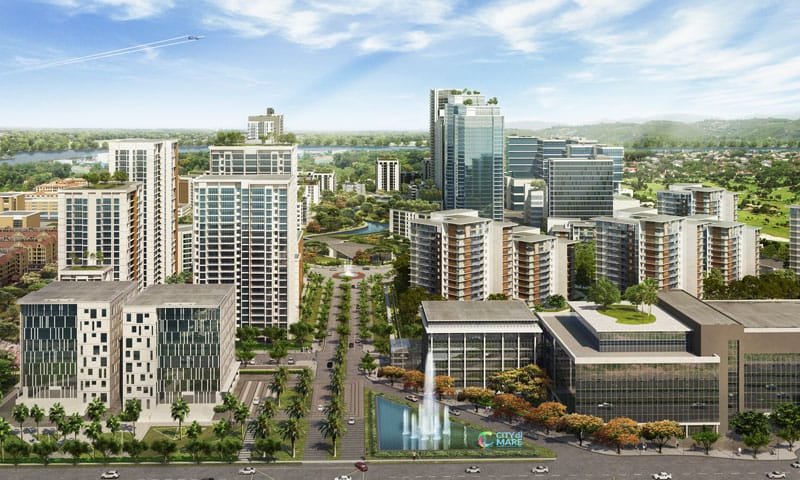
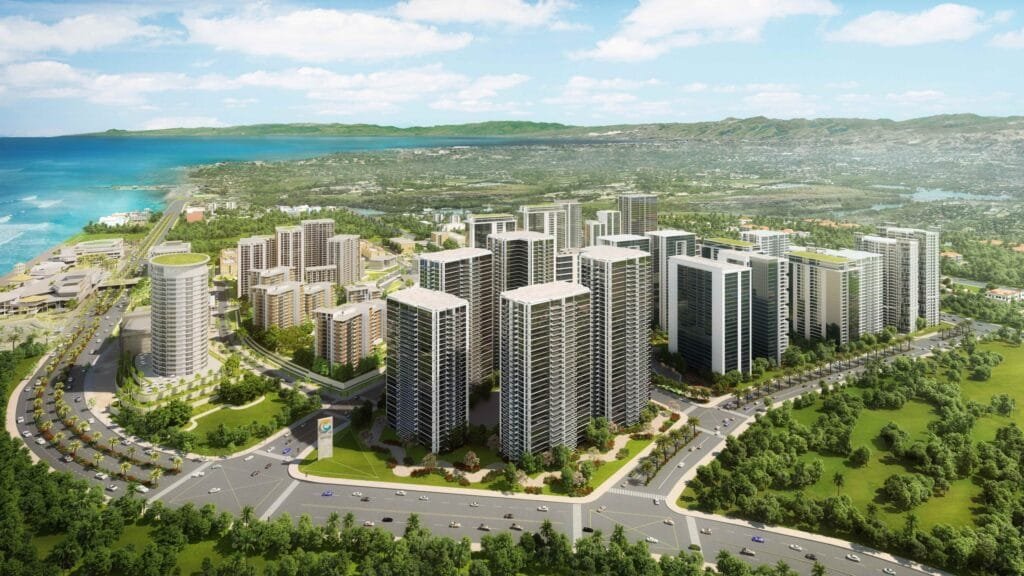
To avoid fragmented, uncoordinated development, large portions of SRP are structured as master-planned townships.
These townships introduce:
- Unified design language
- Controlled land use
- Predictable density and phasing
- Long-term value protection through restrictions
Developments such as City di Mare township within South Road Properties fall into this category. They are not standalone projects—they are components of SRP’s broader planning logic.
Understanding SRP at the corridor level is essential before evaluating any single township within it.
Frequently Asked Questions About South Road Properties (SRP)
What does SRP mean in Cebu?
SRP stands for South Road Properties. It is a large reclaimed development area along the southern coast of Cebu City, developed by the Cebu City Government for large-scale commercial, residential, institutional, and mixed-use development.
Today, SRP is home to major developments including SM Seaside City Cebu, NUSTAR Resort and Casino, IL Corso, and City di Mare.
Is South Road Properties reclaimed land?
Yes. South Road Properties is a reclaimed coastal area. Land reclamation created additional land along Cebu City’s southern coastline, allowing the city to develop larger parcels and supporting infrastructure that would have been difficult to assemble within older, more established parts of Cebu.
For property buyers, the fact that SRP is reclaimed land is only one part of the picture. The more important considerations are the property’s location, access, permitted use, development requirements, and surrounding projects.
Who owns land in South Road Properties?
Land ownership in SRP Cebu is not held by a single owner. The corridor includes property held by the Cebu City Government, private developers, institutions, and other private landowners.
Ownership and development arrangements can also vary from one property to another. Buyers considering an SRP property for sale should therefore verify the property’s title, ownership, applicable agreements, restrictions, and development requirements as part of their due diligence.
Why is land in SRP expensive?
The price of an SRP property depends on several factors, including its location, size, road access, frontage, permitted use, surrounding developments, and potential use for a particular business or project.
Large commercial and development parcels can also command significant prices because comparable large sites are relatively difficult to find in established parts of Cebu City.
However, buyers should not assume that every property in SRP is expensive for the same reason or that future development automatically justifies a particular asking price. The property still needs to be evaluated on its own characteristics and intended use.
What developments are in SRP Cebu?
Some of the major developments in South Road Properties Cebu include:
SM Seaside City Cebu — a major retail and commercial development
NUSTAR Resort and Casino — an integrated resort and hospitality development
IL Corso — a waterfront retail and dining development
City di Mare — a master-planned township within SRP
These projects have helped establish SRP as an important location for large-scale commercial, hospitality, residential, and mixed-use development in Cebu City.
Is South Road Properties a good place to invest in property?
Whether an SRP property is a good investment depends on the buyer, the property, the price, and the intended use.
SRP may be relevant to buyers looking for larger commercial or development sites, particularly when the property’s location and characteristics match a specific business or development plan.
It may not be the right fit for someone looking primarily for a small property, immediate rental income, or a quick resale. Those objectives may require a different type of property and location.
For a business owner or executive, the more useful question is whether the specific SRP property supports the company’s investment or operating objectives.
Are there commercial land opportunities in SRP?
Yes. Commercial land for sale in SRP Cebu can include larger sites suitable for commercial, mixed-use, hospitality, institutional, and other development purposes.
Because properties can vary significantly in size, location, access, and permitted use, buyers should evaluate each site based on the requirements of the proposed business or project.
For a company considering an SRP acquisition, important questions include how much land is required, how the site will be accessed, what can be developed on it, and whether the surrounding area supports the intended operation.
How should buyers evaluate property in SRP?
A buyer should evaluate an SRP property at both the individual-property level and the wider development level.
Important considerations include:
Location and access
Lot size and frontage
Road visibility and connectivity
Permitted use and zoning
Development restrictions or covenants
Surrounding developments
Infrastructure serving the property
Suitability for the intended business or project
For larger acquisitions, these factors should be reviewed alongside the property’s financials, legal documents, technical information, and the buyer’s overall business plan.
Where is South Road Properties located in Cebu?
South Road Properties is located along the southern coastline of Cebu City, south of the city’s older central districts.
The area is served by the Cebu South Coastal Road and is connected to the Cebu–Cordova Link Expressway (CCLEX), providing an important road connection between Cebu City and Mactan.
Its location and road connections are among the factors that make SRP relevant to businesses and developers looking for larger sites within Cebu City.
Why was South Road Properties built?
South Road Properties was developed to provide Cebu City with additional land for large-scale urban development.
As the city’s established districts became more developed, assembling large contiguous parcels for major commercial, institutional, and mixed-use projects became more difficult.
The reclamation and development of SRP created a much larger area where roads, infrastructure, and major developments could be planned on a broader scale.
For today’s property buyer, this history helps explain why SRP Cebu real estate tends to include larger properties and developments than many older parts of the city.